Gutter Repair Hackettstown for Loose Brackets and Misalignment


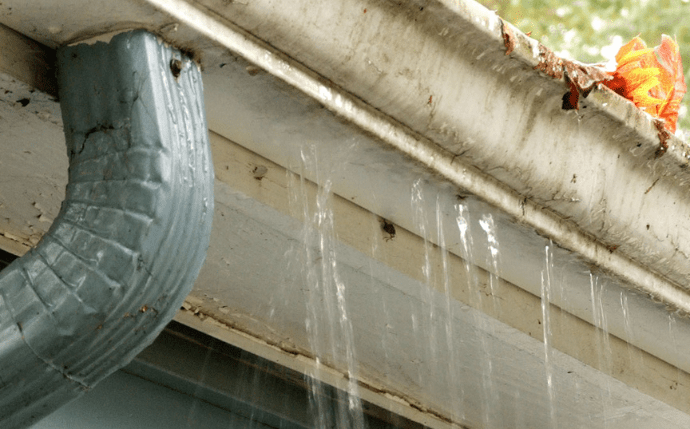
Gutters rarely fail all at once. More often, they start with a slight sag near a corner, a bracket that pulls away from the fascia by a quarter inch, or a section that no longer carries water cleanly toward the downspout. Homeowners in Hackettstown usually notice the symptoms before they know the cause. Water slips over the front edge during a moderate rain. A drip line forms where it never used to. Mulch gets washed out. In winter, a small alignment issue turns into a heavier ice problem.
Loose brackets and misaligned gutter runs look minor from the ground, but they are the beginning of bigger and more expensive failures. If you deal with them early, the repair is often straightforward. If you wait through another season of rain, leaves, and freeze-thaw cycles, the repair can spread into fascia damage, soffit rot, foundation saturation, and stained siding. That is why Gutter Repair Hackettstown work often starts with something simple and ends with a close look at the whole drainage system.
What loose brackets actually mean
A loose gutter bracket is not just a loose fastener. It is usually evidence that the gutter has been carrying more weight than it should, or that the fastening point has weakened over time. In older homes, the wood behind the bracket may have dried, split, or softened from repeated moisture exposure. In newer installations, the original spacing might have been too wide, which allows the gutter to flex and pull under load.
Hackettstown homes see enough seasonal variation to test every weak point in an exterior drainage system. A summer thunderstorm can fill a gutter quickly if the downspout is partially blocked. In autumn, wet leaf buildup creates dense weight that brackets were never meant to hold for weeks at a time. Then winter arrives, and that retained moisture freezes. Ice expands, adds weight, and pries at hardware. What looked like a simple loose screw in October can become a twisted section of gutter by January.
The bracket itself also matters. Hidden hangers tend to perform better than older spike-and-ferrule systems, especially when installed into sound fascia with proper spacing. But no hardware can make up for decayed wood or poor pitch. When I look at a gutter with a loose bracket, I do not assume the bracket is the full problem. I assume it is the visible symptom.
Why misalignment causes more trouble than homeowners expect
A gutter does not have to be dramatically crooked to fail. A quarter inch of wrong pitch over a short run can be enough to slow water, create standing pools, and encourage debris to settle. Once that happens, the gutter begins to hold weight instead of shedding it. The standing water also speeds corrosion in metal gutters and leaves dark lines and sludge deposits that are hard to remove.
Misalignment often develops gradually. A run may start level enough to look fine from the yard, but one section sags between brackets after a season or two. If the house has experienced minor settling, roof work, or repeated snow loading, the original pitch can shift. Even strong gutters can distort if a ladder was leaned against the wrong section a few too many times. I have seen perfectly serviceable aluminum gutters bent out of shape by routine holiday light installation.
When the pitch is off, water behavior changes in ways people notice around the house long before they notice the gutter itself. You may see wet streaks behind the gutter. You may hear drips continue long after the rain stops because water is trapped in low sections. You may find one downspout overflowing while another rarely carries much at all. Those are alignment clues.
The local factor in Hackettstown
Any discussion of Gutter Repair Hackettstown should account for local weather patterns and the age mix of homes in the area. You have older houses with original trim details, newer builds with long uninterrupted gutter runs, and many properties lined with mature trees. That combination creates a very specific repair environment.
Older fascia boards can look sound from the front while hiding softness at the top edge where water has been sneaking behind the gutter for years. On the other hand, newer homes sometimes have longer rooflines that demand tighter control of pitch and more support points. Add leaf load from maples and oaks, and even newer systems can strain if maintenance slips.
The freeze-thaw pattern is especially relevant. In climates with milder winters, a slightly low section may be annoying but manageable. In Hackettstown, that same low section can become a trough of ice. Once ice forms repeatedly in one place, brackets loosen faster, seams separate, and the gutter lip can warp outward. Repairs done in this area need to be more than cosmetic. They need to restore drainage and structure.
What a proper inspection should catch
A quick glance from the ground is not enough. A real inspection checks the relationship between the gutter, the fascia, the roof edge, and the discharge path. The goal is not simply to tighten what is loose. The goal is to understand why it came loose.
These are the signs that usually point to bracket and alignment trouble:
- visible sagging between hanger points
- water spilling over one section while the rest of the run seems normal
- gaps opening between the gutter back and the fascia
- staining on siding or trim directly below the gutter line
- standing water that remains after rainfall has ended
None of those signs should be dismissed as a minor nuisance. A homeowner once showed me a garden bed that kept flooding along one wall and assumed the grading was the issue. The actual problem was a gutter run with two failed hangers near the center. The water was not reaching the downspout at all. It was pooling, overtopping, and dropping beside the foundation every time it rained. The grading looked bad because the gutter had been quietly training water to fall in the wrong place.
Fasteners, fascia, and the hidden weak point
One of the most common repair mistakes is replacing a screw with a longer screw and assuming the job is done. Sometimes that works, especially if the original fastener loosened in otherwise sound wood. More often, the screw backed out because the wood fibers no longer hold well. Driving a new fastener into compromised fascia may tighten the bracket for a few weeks, but it will not restore real strength.
That is why fascia condition matters so much in gutter repair. If the top edge of the board is soft, split, or delaminating, the best solution may include selective wood repair before the gutter is rehung. This is not overkill. A gutter is only as reliable as the substrate holding it.
There is also a judgment call around hole reuse. If a hanger failed at one point, reinstalling into the same hole can be risky unless the wood remains solid and the attachment method is appropriate. In many cases, shifting the bracket position slightly and correcting the spacing along the whole run provides a better long-term result. The repair looks cleaner, and the load gets redistributed more evenly.
Pitch correction is more technical than it looks
Homeowners often hear that gutters need a slight slope toward the downspout, and that is true. What gets missed is how small pitch errors can compound over distance. A long straight run with one low pocket in the middle may technically have slope at both ends, yet still hold water where it should not. The eye also tends to judge gutter lines against rooflines and trim, which may not be perfectly level themselves. A gutter can look crooked when it is right, or look right when it is draining poorly.
The practical way to handle misalignment is to reestablish a true drainage path and then reset the hangers to support that line consistently. That may mean removing sections, cleaning out packed debris, checking seam integrity, and rehanging more of the run than the homeowner expected. On paper it sounds like a bracket repair. In practice it can become a partial rebuild of the support pattern.
This is where experienced judgment matters. If a section has only one low hanger and the gutter body remains straight, the repair may be quick. If the gutter has been holding water for months, the trough may already be deformed. Refastening a bent section without addressing shape can leave the same drainage problem in place.
Repair versus replacement
Not every loose bracket calls for a new gutter system. In fact, many well-made aluminum gutters can be repaired effectively if the metal itself remains sound. The key is to know when repair still makes economic sense.
Repair usually makes sense when the gutter material is intact, the seams are limited in number, the fascia can still support new hardware, and the misalignment has not spread across the whole system. Replacement becomes easier to justify when multiple runs are warped, the wood behind them is deteriorated in several areas, or the system was poorly designed from the start. A house with undersized gutters, awkward downspout placement, and chronic overflow may not benefit much from piecemeal fixes.
I have seen homeowners spend money three seasons in a row on small repairs because each visit addressed the https://andymonz775.scriblorax.com/posts/how-weather-in-hackettstown-affects-your-gutter-repair-needs latest symptom rather than the layout. By the third call, they had paid a meaningful share of what a properly designed replacement would have cost. That does not mean replacement is always the answer. It means the answer should be based on the whole drainage picture, not just the loudest complaint at the moment.
The role of debris and weight load
Leaves and grit are obvious culprits, but they are not the only source of stress. Roof granules from aging shingles settle in gutters and create a dense, sandy sludge that retains moisture. Small twigs knit leaf matter together into mats that hold standing water in place. In valleys and roof transitions, runoff can hit one gutter section much harder than the rest, especially during storms. That repeated force can loosen hangers at predictable points.
This matters because some bracket failures are not random. They often happen near corners, below valleys, near downspouts, or at spans where hanger spacing is too generous. When those patterns show up, the repair should correct the cause, not just the location. Extra support in high-load sections can be appropriate. So can adding or repositioning a downspout if one area carries too much volume for too long.
How repairs should be approached safely and correctly
Working on gutters sounds simple until you are on a ladder, reaching beyond your balance point, trying to hold a drill and support a twisted section at the same time. Even for handy homeowners, loose brackets and misalignment can become riskier than expected, especially on two-story homes or over sloped ground.
A sound repair process usually follows a short sequence:
- clear the gutter so weight and flow issues are visible
- inspect fascia condition before choosing new fasteners or hanger locations
- reestablish the correct pitch across the full run, not just at the loose spot
- replace damaged hardware and reinforce high-stress areas where needed
- test the system with water to confirm flow and check for hidden leaks
That last step matters. A gutter can look properly aligned when dry and still reveal a slow belly once water weight is added. Testing exposes that immediately. It also shows whether water is overshooting a downspout, backing up at an elbow, or sneaking through a seam that was hidden under debris.
Materials make a difference
Most residential repairs in this region involve aluminum gutters, and for good reason. They are common, cost-effective, and repairable in many cases. But aluminum is also more likely to bend if unsupported. Steel holds shape well but can rust when coatings fail. Copper lasts beautifully, yet bracket and fascia issues still matter because the support system is separate from the decorative value of the material.
The hanger style matters almost as much as the gutter material. Older spike-and-ferrule systems have a way of loosening over time, especially after repeated freezing. Hidden hangers attached with quality screws generally hold better and offer more consistent support. Still, even the best hanger cannot compensate for rotten wood or poor spacing. I have seen premium hardware fail early because it was installed into a damp, compromised fascia board.
Sealants are another point of confusion. People often reach for caulk when they see drips or overflow, but sealant does nothing for a gutter that is pulling away from the house. In some cases, overapplied caulk actually hides the real issue by masking where water is entering behind the system. Seal seams where needed, certainly, but structural problems require structural fixes.
Common edge cases around rooflines and corners
Not every misalignment is on a straight run. Corners create their own set of challenges because they combine direction changes, seam joints, and concentrated flow. An inside corner can collect debris faster than a straight section. An outside corner is more exposed to movement and ladder damage. If a bracket loosens near a corner, the repair may involve checking the adjoining runs as a unit rather than treating each side separately.
Another edge case appears near drip edge flashing. If the gutter sits too far from the roof edge, water can slip behind it during heavy rain. If it sits too high or too close, debris may bridge awkwardly and trap moisture. Sometimes what looks like bracket failure is partly an installation geometry problem. The gutter may be securely attached and still positioned poorly in relation to the roof runoff path.
Snow guards, heat cables, and gutter guards can also affect repairs. Guards add convenience but change access and sometimes add their own weight or attachment points. Heat cables can be useful in specific trouble spots, though they should never be treated as a substitute for correct pitch and support. If water stands in the gutter, no accessory truly solves the underlying problem.
What homeowners can do before calling for service
There is value in simple observation. You do not need to climb onto a ladder to gather useful information. During or right after a rain, walk the perimeter and note where overflow happens, where drips continue longest, and whether one downspout seems to carry less water than expected. Look for staining below the gutter line. Check whether the front edge appears straight or dips in places.
If you can see a bracket pulling away, take a photo from a safe distance. Photos help track whether movement is getting worse over time. They also make it easier for a contractor to understand whether this is likely isolated or part of a larger issue.
Try not to self-diagnose too aggressively from the ground. What appears to be a clog may be a pitch issue. What appears to be sagging might actually be fascia failure. A good inspection can sort that out quickly.
Choosing a contractor for Gutter Repair Hackettstown
Not every exterior contractor approaches gutter repairs with the same care. Some focus on quick rehanging without checking the substrate. Others push full replacement before assessing whether repair would hold. The best approach is practical, not sales-driven. You want someone who can explain why the brackets loosened, how the pitch will be corrected, and whether the fascia can support the fix.
Ask specific questions. Will the repair include water testing? Are damaged hanger points being relocated if the wood is weak? If fascia rot is found, will that be addressed before rehanging? If only part of the system is repaired, how will the contractor verify that the rest is still aligned?
Good repair work is visible in performance more than appearance. The gutter should sit cleanly, yes, but the real proof comes in the next hard rain when water moves quietly to the downspout and away from the house.
Cost expectations and what drives them
Repair costs vary because the visible issue and the actual issue are not always the same. A few loose hangers on a first-story section are one thing. A misaligned second-story run with concealed fascia damage is another. Access, height, gutter length, corner involvement, and wood condition all affect the scope.
What I tell homeowners is this: the cheapest fix is the one that does not need to be repeated. Refastening a bracket into soft wood may save money for a month. Rehanging the run properly, reinforcing support, and repairing the substrate costs more upfront but often prevents recurring service calls and collateral damage. Once water starts reaching fascia, siding, or the foundation edge, every delay gets more expensive.
When not to wait
If water is running behind the gutter, if brackets are visibly detached, or if a section is holding standing water for days, the repair should move up the priority list. The same is true if you see ice buildup concentrated in one spot each winter. Those are not cosmetic issues. They signal that the system is no longer doing its basic job.
Hackettstown homes do not need perfect gutters. They need gutters that drain predictably through heavy rain, leaf season, and winter swings. Loose brackets and misalignment are repairable problems when caught early. Left alone, they become carpentry problems, moisture problems, and sometimes basement problems. A careful inspection, sound rehanging, and proper pitch correction usually solve far more than the sag you first noticed from the driveway.
Just Gutters LLC
Address: 262 Main St, Hackettstown, NJ 07840
Phone number: +12013319454
FAQ About Gutter Repair Hackettstown
What is the average cost to repair gutters?
The average cost to repair gutters is about $390, with most jobs ranging from $120 to $900 depending on the damage. You can explore detailed data and estimates on Angi.
Can I repair a gutter myself?
Yes, you can easily repair most common gutter problems yourself if you are comfortable working on a ladder.
How much does it cost to repair a leaking gutter?
The average cost to repair a leaking gutter ranges from $75 to $350. Most homeowners spend around $150 to $250 to hire a professional to patch small holes or reseal leaking joints. If the damage is severe and requires replacing entire sections, the price can increase from $300 to $800.